
Why Many CVs Get Rejected and How to Improve Yours in 2026
Why CV Applications Get Rejected: Common Mistakes, Professional CV Tips and How to Increase Your Chances of Getting Shortlisted
Learn why many CVs get rejected by employers and discover practical ways to improve your CV. This guide covers formatting, skills, experience, ATS optimization, and professional CV writing tips for job seekers in South Africa.
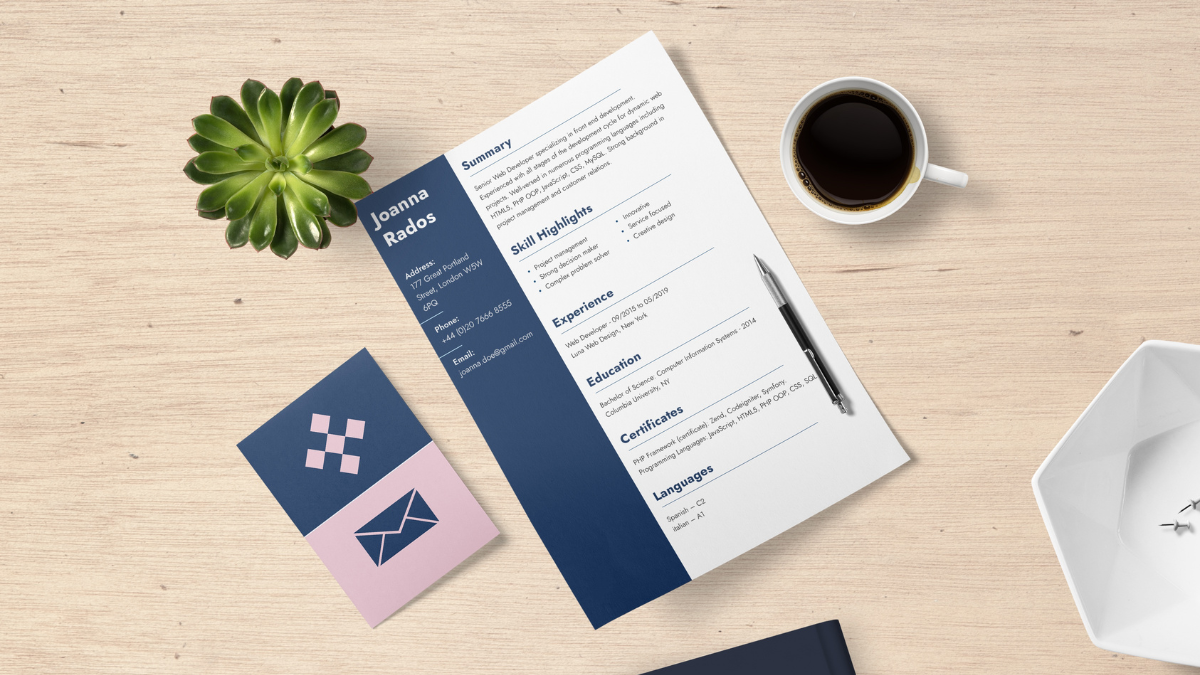
Submitting a job application can be exciting, but it can also be frustrating when weeks pass without receiving a response from employers. Many job seekers assume that a lack of response means there are no vacancies available or that employers are not reviewing applications. However, in many cases, the problem lies within the CV itself.
Recruiters often receive hundreds of applications for a single position. Because of this, they spend only a short amount of time reviewing each CV before deciding whether to continue reading or move on to the next candidate. Even highly qualified applicants can miss opportunities if their CV fails to present information clearly and professionally.
Understanding why CVs get rejected is one of the most effective ways to improve your chances of being shortlisted. By learning how employers evaluate applications and by avoiding common mistakes, you can create a stronger CV that better highlights your skills, experience, and potential.
This guide explores the most common reasons CVs are rejected, practical ways to improve your document, and strategies that can help you stand out in a competitive job market.
Why Employers Reject CVs
Many candidates believe that rejection is always related to qualifications. While qualifications are important, employers consider several other factors when reviewing applications.
Some of the most common reasons for rejection include poor formatting, incomplete information, spelling mistakes, lack of relevant skills, and failure to follow application instructions.
Understanding these issues can help you avoid costly mistakes.
1. Spelling and Grammar Mistakes
One of the quickest ways to create a negative impression is through spelling and grammar errors.
Mistakes suggest:
• Lack of attention to detail
• Poor communication skills
• Limited professionalism
• Carelessness during application preparation
Employers often view your CV as an example of the quality of work you may produce in the workplace.
How to Improve
• Proofread your CV multiple times
• Use spelling and grammar tools
• Ask someone else to review your document
• Read your CV aloud before submitting it
Even small corrections can improve professionalism significantly.
2. Unprofessional Email Addresses
Many candidates underestimate the importance of a professional email address.
Examples of problematic email addresses may include nicknames, slang, or informal phrases.
Better Approach
Use a simple format such as:
A professional email address creates a stronger first impression.
3. Poor CV Formatting
A recruiter should be able to quickly find key information.
Common formatting problems include:
• Large blocks of text
• Inconsistent fonts
• Excessive colours
• Overly complicated layouts
• Missing section headings
How to Improve
Use clear sections:
• Personal Information
• Professional Summary
• Education
• Experience
• Skills
• References
Keep formatting clean and easy to read.
4. Missing Contact Information
It may seem obvious, but many applications contain incorrect or incomplete contact details.
Examples include:
• Wrong phone numbers
• Outdated email addresses
• Missing contact information
If an employer cannot reach you, your application may be discarded.
Solution
Always double check:
• Phone number
• Email address
• Residential area
• Alternative contact details if available
5. Generic CVs
One of the biggest mistakes job seekers make is sending the same CV to every employer.
Different jobs require different skills.
A generic CV often fails to highlight the qualities most relevant to a particular position.
How to Improve
Read the job description carefully and adjust your:
• Skills section
• Professional summary
• Work experience descriptions
Tailoring your CV demonstrates genuine interest and improves relevance.
6. Lack of a Professional Summary
Many CVs start abruptly without explaining who the candidate is.
A professional summary helps employers understand your strengths immediately.
Example
“I am a reliable and customer focused individual with strong communication skills and experience working in team environments. I am committed to continuous learning and delivering high quality work.”
A concise summary creates a positive introduction.
7. Including Irrelevant Information
Some candidates include information that does not contribute to their application.
Examples include:
• Unrelated hobbies
• Outdated experiences
• Excessive personal details
Recruiters are primarily interested in information relevant to the position.
Focus On
• Skills
• Qualifications
• Work experience
• Achievements
• Professional development
8. Lack of Relevant Skills
Employers want to know what you can contribute.
Many CVs list education but fail to highlight practical workplace skills.
Examples of valuable skills include:
• Communication
• Customer service
• Time management
• Teamwork
• Problem solving
• Computer literacy
• Leadership
Clearly presenting these skills improves your application.
9. Employment Gaps Without Explanation
Employment gaps are not always a problem, but unexplained gaps may raise questions.
Possible explanations include:
• Further education
• Volunteer work
• Family responsibilities
• Training programmes
• Temporary employment
Providing context helps employers understand your career journey.
10. False Information
Some applicants exaggerate qualifications or experience.
Employers often conduct verification checks.
Providing false information can damage credibility and result in disqualification.
Always ensure your CV is honest and accurate.
How Applicant Tracking Systems Affect CV Success
Many organizations now use Applicant Tracking Systems (ATS).
These systems scan CVs before recruiters review them.
The software looks for:
• Relevant keywords
• Skills
• Qualifications
• Job titles
ATS Friendly Tips
• Use standard headings
• Avoid excessive graphics
• Include relevant keywords
• Keep formatting simple
• Use common fonts
An ATS friendly CV improves visibility.
The Importance of Transferable Skills
Even if you have limited work experience, transferable skills can strengthen your application.
also see Dis-Chem Cashier Jobs 2026: Complete Career Guide for South African Job Seekers
Admin Clerk Vacancies 2026: Government Administration Careers in South Africa
Examples include:
• Communication
• Organization
• Leadership
• Customer service
• Teamwork
• Problem solving
These skills can be developed through:
• School activities
• Volunteer work
• Community projects
• Informal employment
Employers often value transferable skills highly.
How to Make Your CV Stand Out
Highlight Achievements
Instead of simply listing duties, mention accomplishments.
Example:
Instead of:
“Assisted customers.”
Write:
“Provided customer support and maintained positive customer relationships.”
Achievements demonstrate value.
Use Action Words
Examples include:
• Managed
• Coordinated
• Organized
• Assisted
• Supported
• Developed
• Improved
Action words create a stronger impression.
Keep It Concise
Most recruiters prefer clear and focused CVs.
Aim for quality rather than excessive length.
CV Checklist Before Submission
Before applying, ask yourself:
✓ Is my contact information correct?
✓ Have I checked spelling and grammar?
✓ Does my CV match the job requirements?
✓ Have I included relevant skills?
✓ Is the layout professional?
✓ Have I explained employment gaps?
✓ Is all information accurate?
Completing this checklist can reduce common errors.
Beyond the CV: What Employers Also Evaluate
A strong CV is important, but employers may also consider:
• Application completeness
• Professional communication
• Interview performance
• References
• Attitude and motivation
Success often depends on a combination of factors.
Frequently Asked Questions
How Long Should a CV Be?
Most professional CVs are between one and three pages depending on experience.
Should I Include References?
You may include references or state that they are available upon request.
Can I Apply Without Experience?
Yes. Focus on transferable skills, education, volunteer work, and achievements.
How Often Should I Update My CV?
Update your CV whenever you gain new experience, qualifications, or skills.
Is a Professional Summary Necessary?
Yes. It provides a quick overview of your strengths and helps recruiters understand your profile immediately.
Final Thoughts
Many CV rejections occur because of avoidable mistakes rather than a lack of qualifications. Poor formatting, spelling errors, generic content, missing information, and failure to highlight relevant skills are among the most common reasons applications are unsuccessful.
The good news is that these problems can often be corrected with careful preparation and attention to detail. A professional CV should clearly communicate your strengths, present information logically, and demonstrate why you are a suitable candidate for the position.
By focusing on accuracy, professionalism, relevant skills, and continuous improvement, job seekers can significantly improve their chances of being noticed by recruiters and progressing further in the hiring process.
A strong CV may not guarantee a job offer, but it can increase your chances of securing interviews and opening doors to new career opportunities.