
No Experience Jobs: How South Africans Are Finding Work Opportunities in 2026
No Experience? Here’s Exactly How South Africans Are Getting Jobs in South Africa in 2026
Looking for no experience jobs in South Africa? Learn how job seekers are finding work in 2026, which industries hire beginners, salary expectations, CV tips, and practical ways to improve your chances.
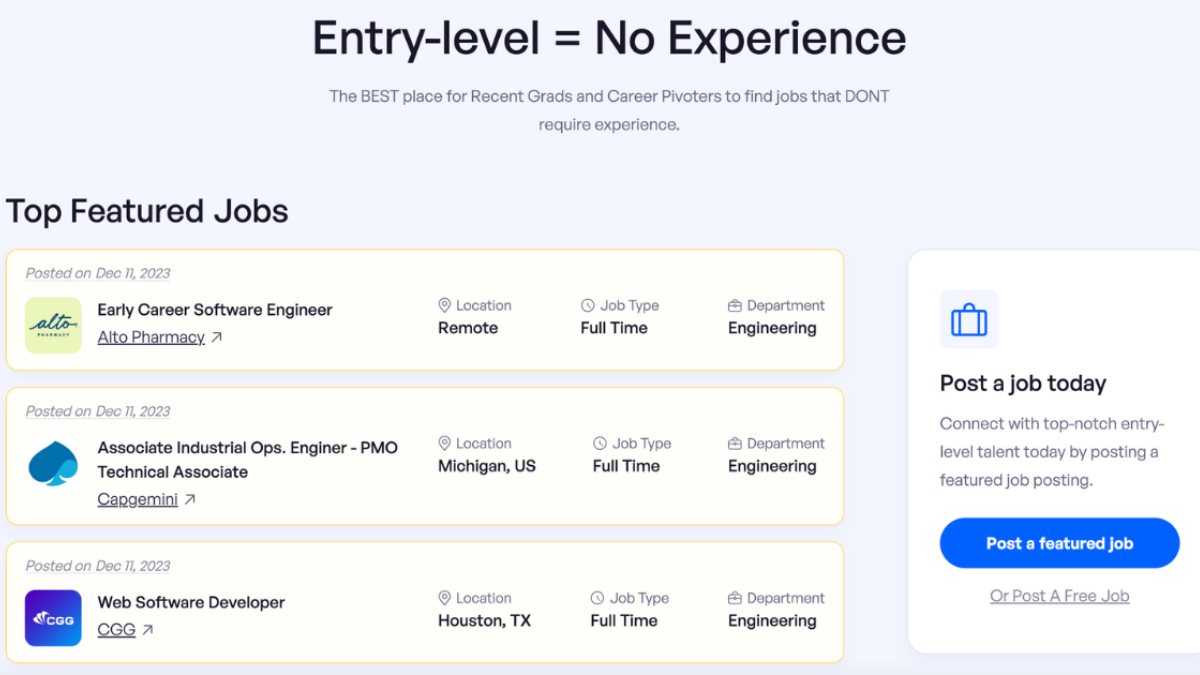
One of the biggest concerns among South African job seekers is the belief that every employer wants years of experience. While experience can certainly help, many people are still finding employment opportunities without having worked before. Across industries such as retail, logistics, customer service, administration, hospitality, security, and general labour, employers continue to recruit candidates based on their potential, attitude, willingness to learn, and basic qualifications.
In 2026, companies are increasingly investing in training programs, internships, learnerships, graduate opportunities, and entry level positions that allow individuals to gain workplace experience while earning an income. Understanding where these opportunities exist and how successful applicants approach the job search can help improve your chances of finding employment.
This guide explores how South Africans are getting jobs without experience, the industries currently offering opportunities, salary expectations, common mistakes to avoid, and practical tips that can strengthen your applications.
Why Employers Still Hire Candidates Without Experience
Many businesses understand that every experienced employee started somewhere.
Employers often recruit inexperienced candidates because:
- They can be trained according to company standards.
- They may bring fresh perspectives and enthusiasm.
- Entry level positions are designed for skill development.
- Some industries experience ongoing demand for workers.
- Companies invest in future talent pipelines.
While experience remains valuable, many employers place equal importance on attitude, reliability, communication skills, and willingness to learn.
The Biggest Myth About Job Hunting
A common misconception is that every vacancy requires extensive experience.
In reality, many opportunities specifically target:
- School leavers
- First time job seekers
- Graduates
- Learnership participants
- Interns
- Apprentices
- Entry level employees
The key is identifying positions that genuinely match your qualifications and current experience level.
Industries That Commonly Hire Without Experience
Retail
Retail remains one of the largest entry points into employment.
Common positions include:
- Shop Assistant
- Cashier
- Store Assistant
- Merchandiser
- Stock Controller Assistant
- Customer Service Representative
Estimated Salary Range
R5,500 to R12,000 per month
Logistics and Warehousing
The logistics industry continues expanding due to growing demand for transportation and delivery services.
Common roles include:
- Warehouse Assistant
- Picker and Packer
- General Worker
- Dispatch Assistant
- Inventory Assistant
Estimated Salary Range
R6,500 to R15,000 per month
Customer Service
Many employers provide training for customer service positions.
Examples include:
- Call Centre Agent
- Customer Support Assistant
- Reception Assistant
- Service Consultant
Estimated Salary Range
R7,000 to R18,000 per month
Hospitality
Hotels, restaurants, and tourism businesses often recruit entry level staff.
Available positions may include:
- Waiter
- Kitchen Assistant
- Housekeeping Assistant
- Front Desk Assistant
Estimated Salary Range
R5,500 to R14,000 per month
Security Industry
Some entry level opportunities exist for candidates who meet industry requirements.
Potential roles include:
- Security Officer
- Access Control Assistant
- Patrol Assistant
Estimated Salary Range
R6,000 to R15,000 per month
Administration
Many administrative departments recruit junior staff.
Examples include:
- Filing Clerk
- Data Capturer
- Office Assistant
- Administrative Clerk
Estimated Salary Range
R7,000 to R18,000 per month
How South Africans Are Actually Getting Jobs Without Experience
Applying for Learnerships
Learnerships remain one of the most effective pathways into employment.
They typically combine:
- Workplace training
- Practical experience
- Formal learning
Many employers use learnerships to identify future employees.
Taking Internships Seriously
Internships help candidates gain practical experience that employers value.
Benefits include:
- Workplace exposure
- Professional references
- Industry knowledge
- Networking opportunities
Building Skills Independently
Many successful job seekers improve their employability by learning:
- Microsoft Office
- Customer service skills
- Computer literacy
- Communication skills
- Basic administration
Free and affordable online learning resources continue to make skills development more accessible.
Applying Consistently
Many people underestimate the importance of consistency.
Successful candidates often:
- Apply regularly
- Update their CVs
- Monitor new opportunities
- Improve applications over time
Job searching is often a process rather than a single event.
Who This Article Is For
This guide may be helpful for:
- School leavers
- First time job seekers
- Recent graduates
- Internship seekers
- Learnership applicants
- Career changers
- Unemployed individuals seeking entry level work
Who May Need Additional Qualifications
Certain professions typically require formal qualifications before employment.
Examples include:
- Engineering professions
- Medical careers
- Legal professions
- Chartered accounting roles
- Specialized technical positions
In these cases, education and certification remain essential.
Required Documents for Entry Level Applications
Many employers request:
- Updated CV
- South African ID
- Matric certificate
- Relevant qualifications
- Driver’s license if applicable
- Academic transcripts for graduates
Keeping documents organized can help simplify future applications.
Realistic Chances of Getting Hired
Competition for entry level jobs can be high.
However, candidates often improve their chances when they:
- Apply for suitable positions
- Submit complete applications
- Follow instructions carefully
- Maintain a professional CV
- Continue improving skills
Those who remain consistent generally create more opportunities over time than those who stop applying after a few unsuccessful attempts.
Common Mistakes Applicants Make
Applying for Every Vacancy
Quality often matters more than quantity.
Applying for positions that match your profile may produce better results.
Using the Same CV Everywhere
Different jobs emphasize different skills.
Customizing your CV can make it more relevant.
Ignoring Basic Skills Development
Employers increasingly value candidates who demonstrate initiative and continuous learning.
Poor Email Communication
Professional communication matters.
Always use:
- Professional email addresses
- Clear subject lines
- Polite language
Giving Up Too Early
Finding employment often requires patience and persistence.
What Employers Look for Besides Experience
Many employers focus on:
- Reliability
- Punctuality
- Communication skills
- Positive attitude
- Teamwork
- Problem solving
- Willingness to learn
- Professionalism
These qualities can sometimes outweigh limited work experience.
CV Tips That Can Improve Your Chances
Start With a Strong Professional Summary
Example:
“Motivated and dependable individual seeking an entry level opportunity to develop professional skills while contributing positively to workplace objectives.”
also see Global Logistics Jobs 2026: Career Opportunities, Salaries, Requirements and Application Guide
powerful Hestony Logistics Guide: Understanding South African Freight and Transport Services
Highlight Transferable Skills
Even without formal employment, you may have gained skills through:
- School projects
- Volunteer work
- Community activities
- Sports participation
- Family responsibilities
Keep the CV Clean and Professional
Use:
- Clear headings
- Consistent formatting
- Correct spelling
- Accurate information
Include Relevant Achievements
Examples may include:
- Academic achievements
- Leadership roles
- Volunteer activities
- Training certificates
Interview Tips for First Time Job Seekers
Before attending an interview:
Research the company.
Understand the role.
Prepare examples that demonstrate:
- Responsibility
- Teamwork
- Adaptability
- Communication skills
Employers often appreciate honesty and confidence more than rehearsed answers.
Future Trends Creating More Entry Level Opportunities
Several developments continue creating opportunities for beginners.
E Commerce Growth
Online shopping increases demand for:
- Warehouse staff
- Delivery personnel
- Customer support teams
Digital Transformation
Businesses increasingly require:
- Data entry support
- Administrative assistants
- Customer service agents
Skills Based Hiring
Many employers now focus more on practical skills than lengthy experience requirements.
This trend may benefit candidates who actively develop relevant abilities.
Frequently Asked Questions
Can I get a job with no experience?
Yes. Many employers recruit candidates for entry level positions, internships, learnerships, and trainee programs.
Is matric enough to find work?
For many entry level opportunities, matric remains an important qualification. Requirements vary by employer and position.
Which industries hire beginners most often?
Retail, logistics, hospitality, administration, customer service, and security frequently recruit entry level employees.
How long does it take to find a job?
The timeline varies significantly based on market conditions, qualifications, skills, and application strategies.
Should I include volunteer work on my CV?
Yes. Volunteer experience can demonstrate valuable skills and commitment.
What if I keep getting rejected?
Review your CV, improve relevant skills, seek feedback where possible, and continue applying for suitable opportunities.
Final Thoughts
Finding employment without experience can feel challenging, but thousands of South Africans continue securing jobs every year by focusing on realistic opportunities, building practical skills, and maintaining consistency throughout their job search.
Rather than focusing solely on experience requirements, successful applicants often concentrate on what they can control: improving their CV, developing valuable skills, applying strategically, and presenting themselves professionally.
In 2026, opportunities still exist across multiple industries for motivated individuals willing to learn, adapt, and grow. While there are no guarantees in any job market, preparation, persistence, and continuous improvement remain some of the most effective tools available to first time job seekers.