
Logistics Interview Questions and Answers Guide 2026: How to Prepare for Jobs in Transport, Warehousing and Supply Chain Careers in South Africa
Logistics Interview Questions and Answers 2026 Complete Career Guide for South African Job Seekers in Transport, Warehousing and Supply Chain Roles
Prepare for logistics job interviews in South Africa with this detailed 2026 guide. Learn common questions, model answers, CV tips, skills employers want, and how to succeed in logistics interviews.
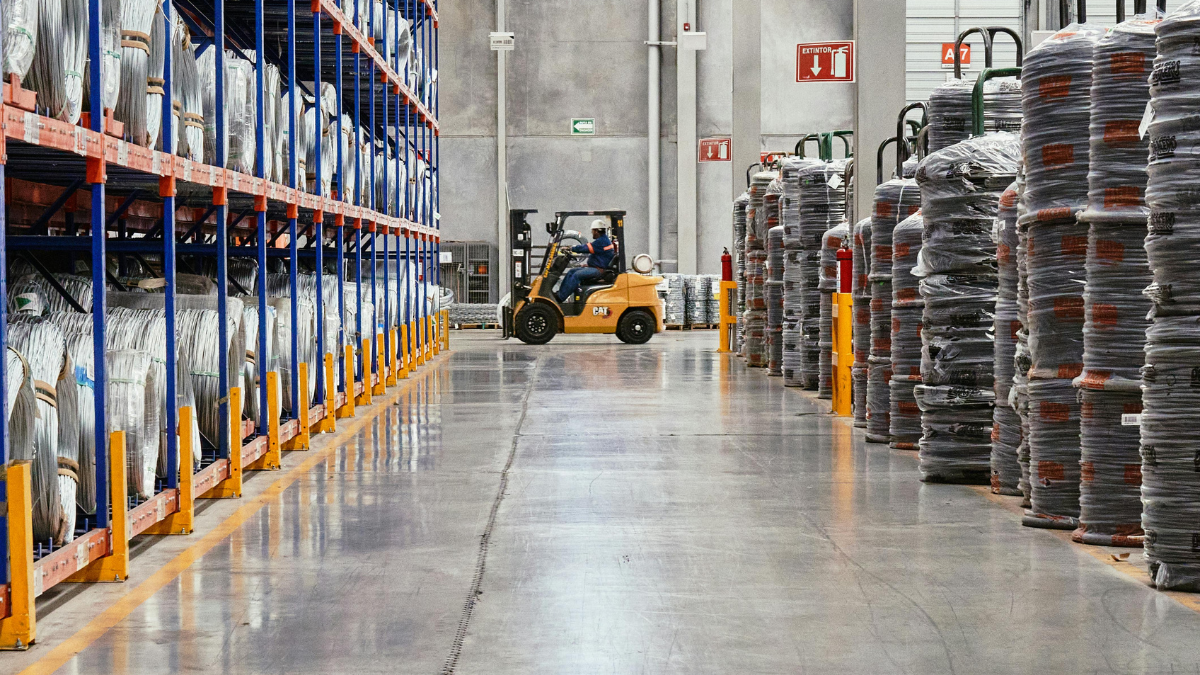
Logistics jobs remain one of the most important employment areas in South Africa, supporting industries such as retail, manufacturing, mining, agriculture, and e commerce. Every product delivered to stores or customers relies on logistics systems that include transportation, warehousing, inventory management, and supply chain coordination.
Because of this importance, logistics companies are careful when hiring. Interviews are designed to test not only qualifications, but also practical thinking, reliability, communication ability, and problem solving skills. Many candidates struggle not because they lack potential, but because they are not prepared for the types of questions asked.
This guide explains common logistics interview questions, why employers ask them, and how to answer them effectively. It also includes CV preparation tips, workplace expectations, skills employers value, and strategies to improve your chances of success in logistics careers.
Understanding Logistics Jobs Before the Interview
Before preparing answers, it is important to understand what logistics companies do.
Logistics involves:
• Transporting goods from suppliers to warehouses or customers
• Managing stock levels and inventory systems
• Coordinating delivery schedules
• Operating warehouses and distribution centres
• Ensuring timely and safe movement of goods
• Using technology systems for tracking and planning
Employers look for candidates who understand that logistics is about accuracy, time management, teamwork, and responsibility.
Common logistics roles include:
• Warehouse assistant
• Picker and packer
• Forklift operator
• Delivery driver
• Dispatch clerk
• Logistics coordinator
• Inventory controller
• Fleet assistant
• Operations supervisor
Each role has different responsibilities, but interviews often test similar core skills.
Key Skills Employers Look for in Logistics Candidates
Before going into interview questions, you need to understand what employers value most.
1. Reliability
Logistics companies operate on strict schedules. Being late or absent affects the entire supply chain.
2. Attention to detail
Small mistakes in stock, delivery addresses, or documentation can cause major losses.
3. Communication skills
Employees must communicate with drivers, supervisors, customers, and warehouse teams.
4. Teamwork
Most logistics tasks require coordination between multiple people.
5. Time management
Deliveries and warehouse operations follow strict deadlines.
6. Problem solving
Delays, damaged goods, or missing stock require quick thinking.
7. Physical fitness (for operational roles)
Some roles involve lifting, standing, or moving goods.
8. Basic computer literacy
Many logistics systems are now digital.
How Logistics Interviews Are Structured
Most logistics interviews follow a structured process:
Step 1: Introduction
The interviewer asks you to introduce yourself.
Step 2: Experience and background
Questions about your CV and past work experience.
Step 3: Technical knowledge
Questions related to logistics processes.
Step 4: Behavioural questions
Questions about how you handle situations.
Step 5: Scenario-based questions
Real-life problem solving situations.
Step 6: Closing questions
Your questions about the job and company.
Common Logistics Interview Questions and How to Answer Them
Below are the most frequently asked questions and strong answer strategies.
1. Tell us about yourself
Why they ask this
To understand your background, communication skills, and suitability for the role.
How to answer
Keep it short, structured, and relevant to logistics.
Example answer
“I am a hardworking and disciplined individual with interest in logistics and supply chain operations. I have experience working in team environments where accuracy and time management were important. I enjoy structured work and I am comfortable working under pressure. I am now looking for an opportunity in logistics where I can grow my skills and contribute to efficient operations.”
2. What do you understand about logistics?
Why they ask this
To test if you understand the industry.
Strong answer approach
Explain logistics in simple terms.
Example answer
“Logistics is the process of managing how goods are stored, handled, and transported from one point to another. It includes warehousing, inventory control, transportation, and delivery coordination. The goal is to ensure goods reach the right place, at the right time, in good condition, and in the most efficient way possible.”
3. Why do you want to work in logistics?
Why they ask this
To check motivation and interest.
Example answer
“I am interested in logistics because it is a growing industry that plays an important role in the economy. I enjoy structured environments where planning, teamwork, and problem solving are important. I also want to build long term skills that can help me grow into more advanced roles in supply chain management.”
4. How do you handle pressure or tight deadlines?
Why they ask this
Logistics work is deadline driven.
Example answer
“I handle pressure by staying organized and focusing on priorities. I break tasks into smaller steps and make sure I complete the most urgent tasks first. I also communicate early if I notice any challenges so that issues can be resolved before they affect deadlines.”
5. What would you do if you discovered missing stock?
Why they ask this
To test problem solving and responsibility.
Example answer
“I would first check records and confirm if the stock was correctly logged. Then I would investigate with team members or warehouse records to identify where the issue occurred. I would report the situation to my supervisor and follow company procedures to resolve the issue. I would also ensure accurate recording to prevent future errors.”
6. How do you ensure accuracy in your work?
Why they ask this
Accuracy is critical in logistics.
Example answer
“I ensure accuracy by double checking my work before submitting it. I follow procedures carefully and avoid rushing tasks. I also use checklists when necessary and make sure all details match records before finalizing any task.”
7. Describe a time you worked in a team
Why they ask this
Teamwork is essential in logistics.
Example answer
“I have worked in team environments where each person had specific responsibilities. I made sure to communicate clearly, support my colleagues when needed, and complete my tasks on time so that the team could achieve its goals. I understand that logistics depends on cooperation.”
8. How would you handle a difficult customer or driver?
Why they ask this
To test communication and conflict handling.
Example answer
“I would remain calm and listen carefully to their concerns. I would avoid arguing and focus on understanding the issue. Then I would try to find a solution or escalate the issue to a supervisor if necessary. My goal would be to maintain professionalism and resolve the situation respectfully.”
9. What are your strengths?
Example answer
“My strengths include reliability, attention to detail, and teamwork. I am also able to work under pressure and complete tasks within deadlines. I am willing to learn and improve my skills continuously.”
10. What are your weaknesses?
Example answer
“One area I am improving is gaining more technical knowledge about logistics systems. However, I am actively learning and improving my computer skills and understanding of warehouse systems.”
Scenario-Based Interview Questions
These test real-world thinking.
11. A delivery is delayed. What do you do?
• Check the cause
• Communicate with relevant team members
• Update the supervisor
• Find a solution quickly
12. A colleague is not doing their work properly. What do you do?
• Stay professional
• Offer help if appropriate
• Report to supervisor if necessary
13. You receive incorrect stock. What happens next?
• Report immediately
• Record discrepancy
• Follow company procedure
CV Tips for Logistics Jobs
A strong CV increases interview chances.
Include:
• Clear personal details
• Education history
• Skills relevant to logistics
• Work experience
• Certifications (if any)
Important tips:
• Keep it simple
• Avoid spelling errors
• Use bullet points
• Keep it one to two pages
• Use professional email address
also see Checkers Vacancies 2026: Retail Career Opportunities, Salary Insights and Growth Paths
Clinic Practitioner (Roaming) Job Opportunity at Dis-Chem Pharmacies Woodlands, Pretoria 2026
How to Prepare for a Logistics Interview
1. Research the company
Understand what they do and their services.
2. Practice answers
Prepare responses to common questions.
3. Dress professionally
First impressions matter.
4. Arrive early
Shows reliability and seriousness.
5. Bring documents
ID, CV, certificates, references.
Mistakes to Avoid in Logistics Interviews
• Arriving late
• Not knowing your CV
• Giving vague answers
• Showing lack of interest
• Poor communication
• Overconfidence or nervousness
Career Growth in Logistics
Logistics offers long term opportunities such as:
Warehouse assistant → supervisor → manager
Driver → fleet controller → operations manager
Clerk → logistics coordinator → supply chain manager
Continuous learning and experience are key to growth.
Conclusion
Logistics interviews are designed to assess practical skills, reliability, and problem solving ability rather than just qualifications. Candidates who understand the industry, prepare structured answers, and demonstrate professionalism often perform better.
With proper preparation, logistics can offer long term career stability, skills development, and opportunities for advancement across South Africa’s growing supply chain sector.